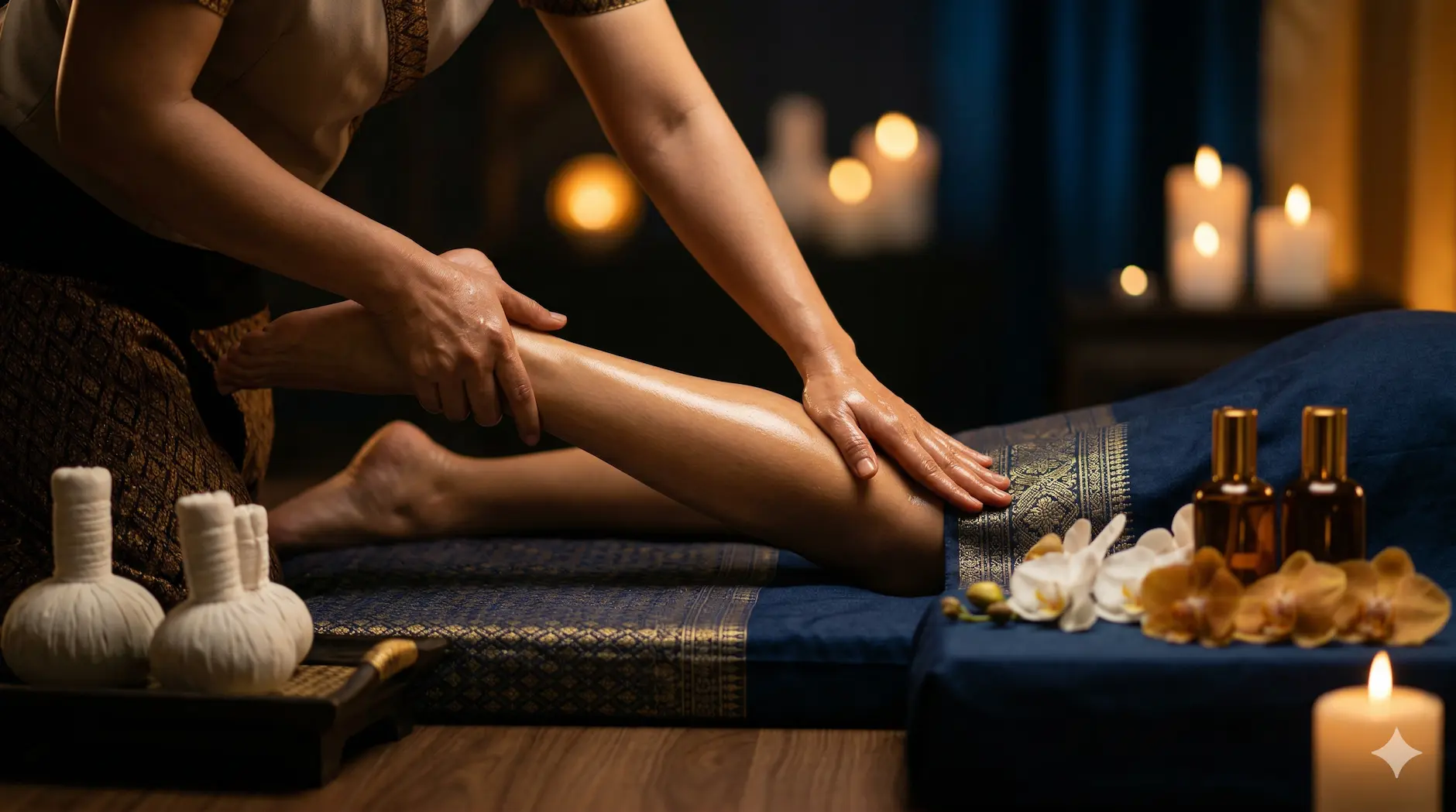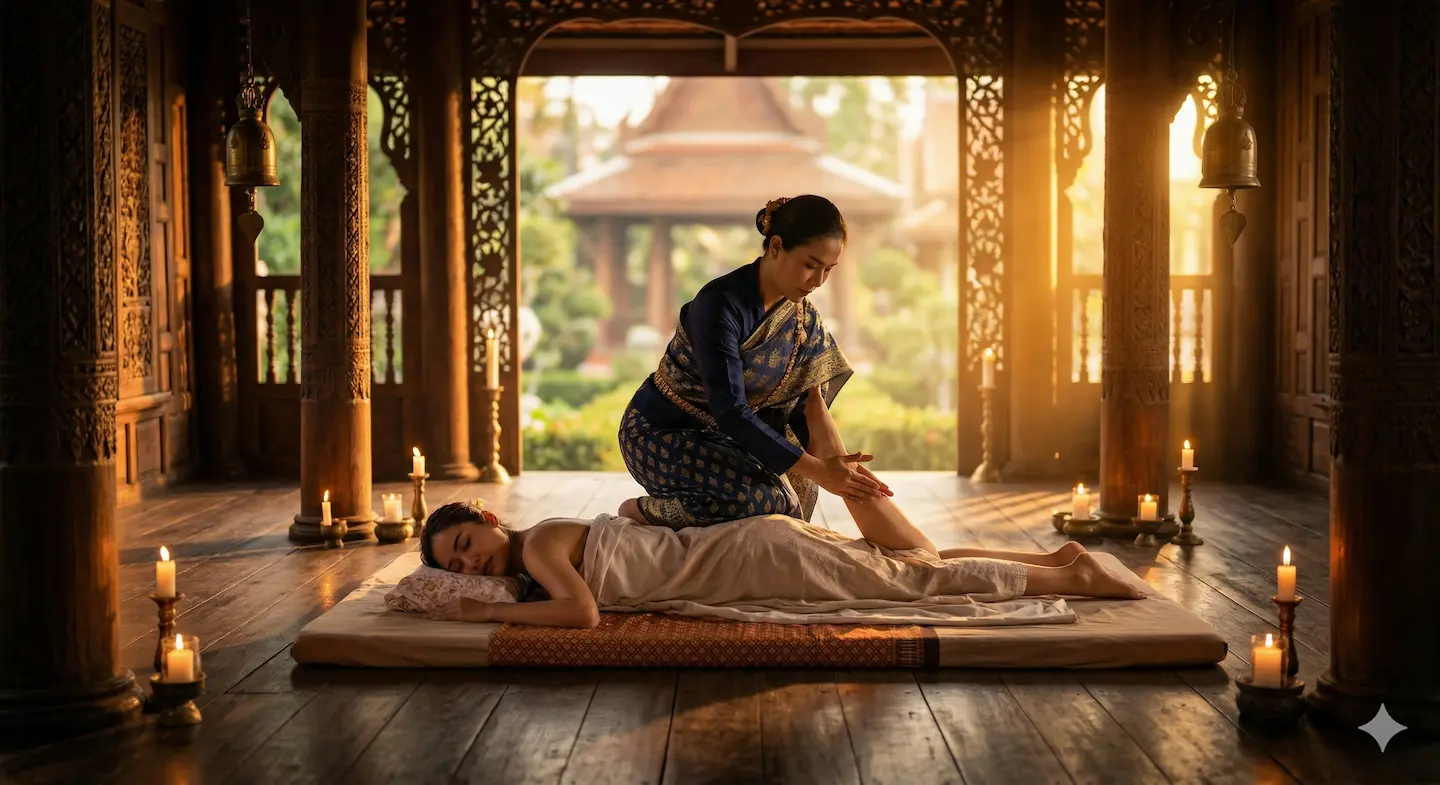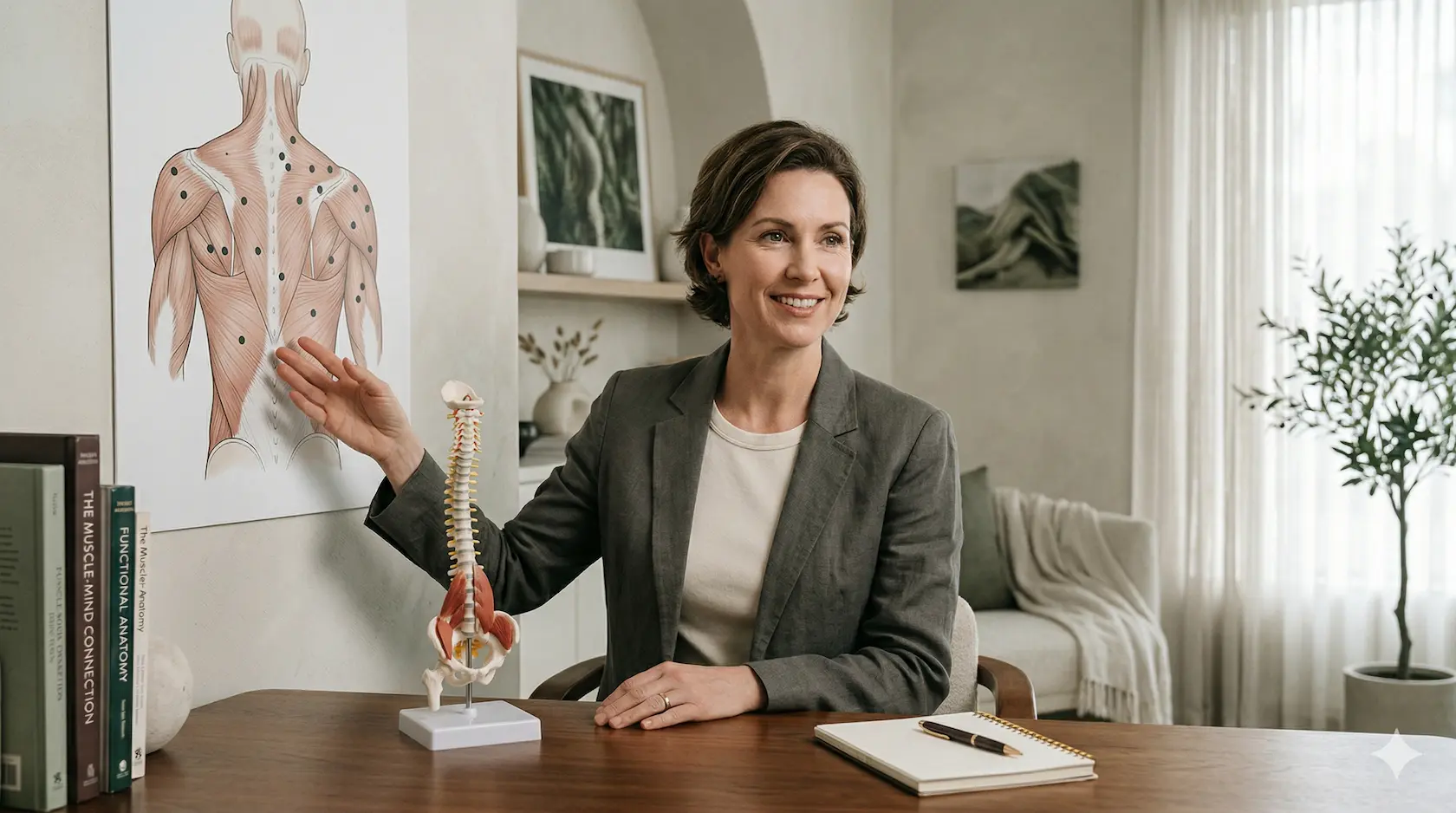
To a trained reflexologist, the foot is a complete map of the human body. The toes represent the head and brain. The ball of the foot corresponds to the thoracic organs — heart and lungs. The arch maps to digestive organs. The heel corresponds to the pelvis and sciatic nerve. And the inner edge of the foot traces the spine from cervical to sacral vertebrae.
Origins: Ancient Traditions Across Cultures
Foot massage as therapy predates recorded history. Egyptian tomb paintings from 2330 BCE depict what appears to be reflexology. Traditional Chinese medicine developed a comprehensive foot map based on meridian theory over 4,000 years ago. Thai healers integrated foot reflexology into their healing tradition through the Buddhist medical lineage, recognising the foot's central role in the body's energetic economy.
In the 20th century, Eunice Ingham's zone therapy work brought systematic reflexology to Western attention, mapping the body's organ zones onto the feet in the format still used today. The convergence of Eastern and Western traditions confirmed what practitioners in multiple cultures had independently discovered: the feet are the body's most information-rich surface.
The Physiology: How Reflexology Works
Each foot contains approximately 7,200 nerve endings — a remarkable concentration that explains the foot's extraordinary sensitivity. These nerve endings form reflex zones that correspond, through neurological pathways, to distant organs and body systems. Pressure on specific zones stimulates afferent nerve signals that travel to corresponding organs, influencing local circulation and function.
The Gate Control Theory
One mechanism by which reflexology produces whole-body effects is through gate control theory — the same principle underlying acupressure. Sustained pressure on specific nerve endings activates inhibitory interneurons that block pain signals and trigger the release of endorphins throughout the nervous system — producing documented analgesia in areas entirely remote from the treatment site.
Evidence-Based Benefits
- Anxiety reduction: Multiple RCTs demonstrate significant cortisol reduction following 30-minute reflexology sessions
- Improved sleep quality: Particularly effective for jet-lagged travellers and those with insomnia — produces measurable improvement in sleep onset and duration
- Enhanced peripheral circulation: Documented increases in foot and leg blood flow by 15–20% following sessions — critical for long-haul flight recovery
- Pain management: Effective adjunct therapy for headaches, PMS and lower back pain via endorphin pathway activation
- Digestive improvement: Stimulation of digestive zone points has shown positive effects on IBS symptoms in controlled studies
"Reflexology is not merely a foot massage — it is a conversation with your entire body through its most communicative surface."
The Siam Aurum Foot Reflexology Session
Our 60-minute sessions begin with a warm foot soak ritual (10 minutes), followed by systematic work through all reflex zones using thumbs, index fingers and specialised wooden tools. Many guests report feeling effects in distant body areas during the session itself — headache relief, digestive movement, shoulder release — a testament to the precision and depth of our certified practitioners' technique.
The session is performed fully clothed, making it an ideal standalone treatment or an excellent add-on to any oil or Thai massage session. Ask our team about combining reflexology with your preferred massage when booking via WhatsApp.
Experience It Yourself
Book a certified Siam Aurum therapist delivered to your Bangkok hotel or residence. Confirmation in 15 minutes.
Book Now — From ฿1,000